Since my retirement in 2015, I have embraced “carpe diem” with a passion, checking off my bucket list one by one.
In May, I was thrilled to observe polar bears in the Arctic with Quark Expeditions.
My daughter and I happened upon a last-minute deal, and quickly signed up for our first expedition voyage, and our first very cold weather journey. It was fascinating.
We boarded the beautiful Ultramarine, launched in 2021, in Longyearbyen, Norway. It’s the northernmost inhabited town in the world, on the island of Spitsbergen in the Svalbard archipelago, just 800 miles from the North Pole.
Over 12 days, we saw seven polar bears, oodles of walruses, four Arctic foxes, some seals, a large pod of beluga whales, herds of reindeer, and seabirds galore.
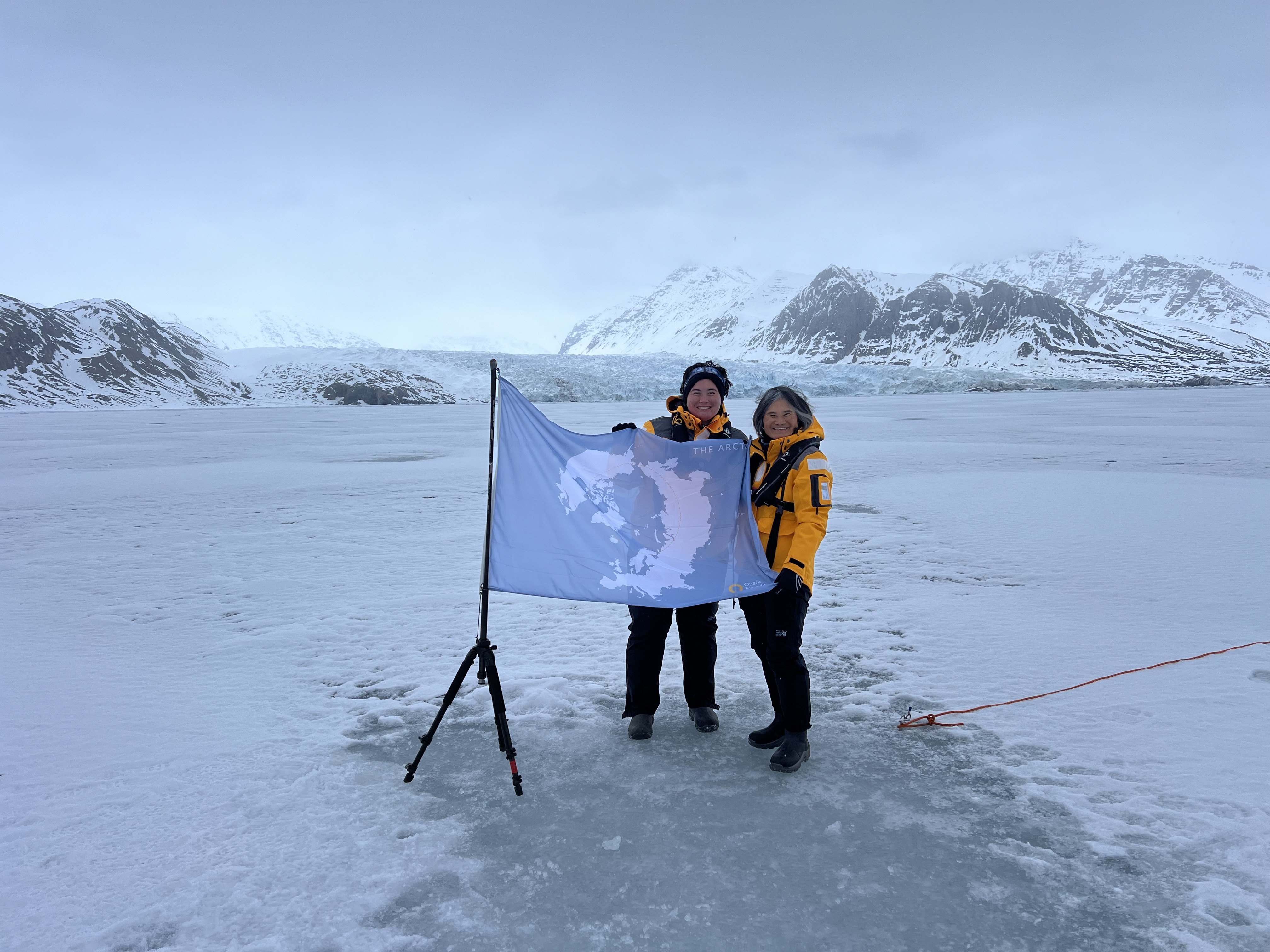
We walked on frozen sea ice (called “fast ice” because it is still “fastened” to shore) in front of an ancient glacier, among the first to do so this season as ships can’t get through until the ice thaws. Our guides said this ice would be gone in a week.
And we sailed north until we hit the Arctic pack ice. Around midnight on May 15, under the bright midnight sun, our ship was the furthest north of any in the world, only 635 miles from the North Pole. It was bitterly cold at 17 degrees with 25 mph winds, but we were jubilant at being at the top of the world, imagining carving through the ice, going straight on till morning.
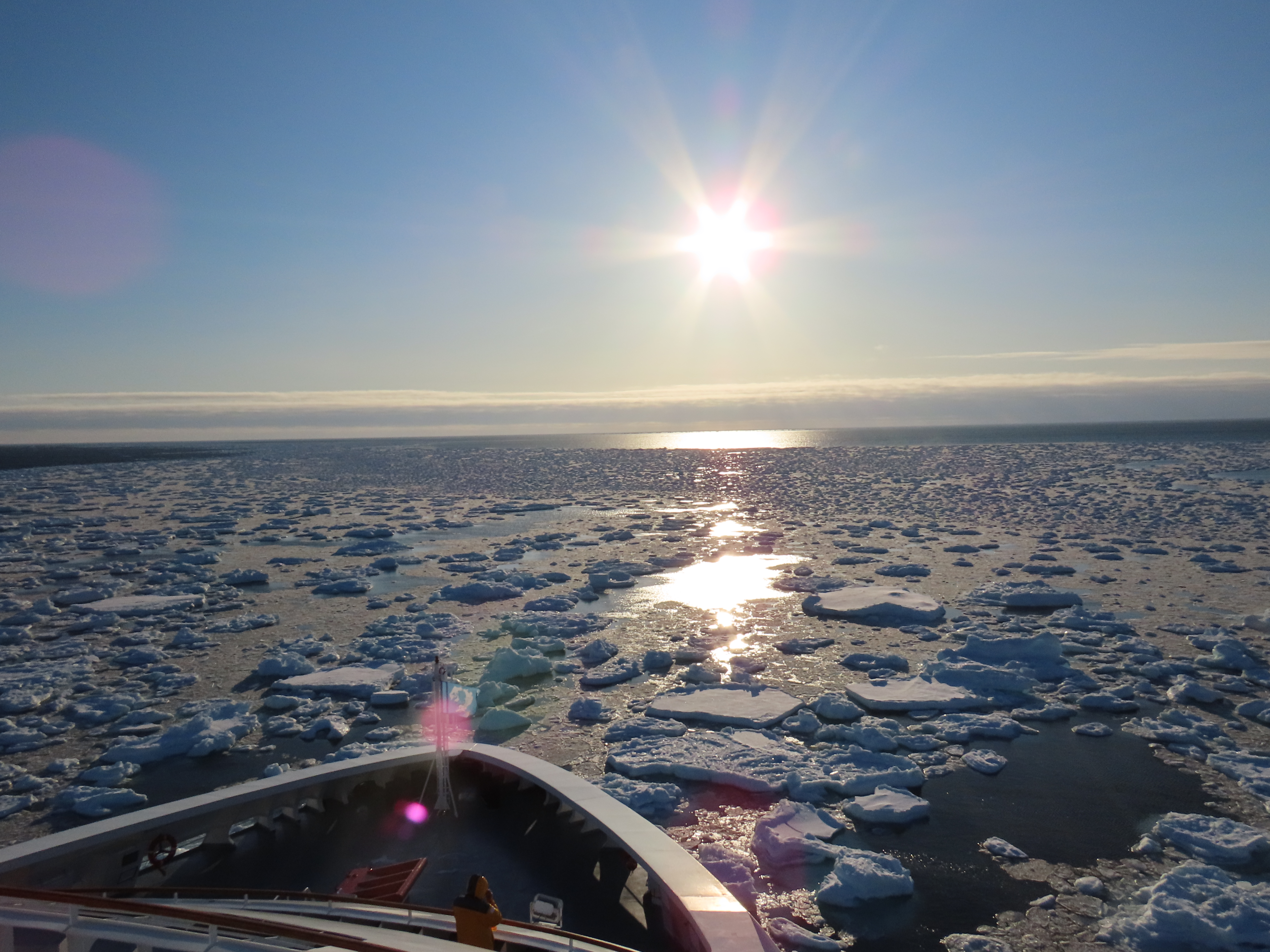
With no pollution, distracting lights or hoards of crowds, the sense of untouched solitude and bleak tranquility was surreal (we did pass a handful of other vessels). We marveled at vast, pristine landscapes, snow-clad mountains, sparkling glaciers, and fascinating sheets of ice that soon will be gone—faster each year.
There were 128 crew and 178 guests (200 maximum) on our voyage. About a third of the passengers were lugging enormous fancy cameras, a third were repeat Quark guests, and a third had been to Antarctica (yep—now on our list). Quark’s talented, friendly expedition staff of 25 were great, especially marine mammal specialist Grigory Tsidulko and self-professed “bird nerd” Noah Strycker. They were clearly invested in this unique land and in the best experience for us.
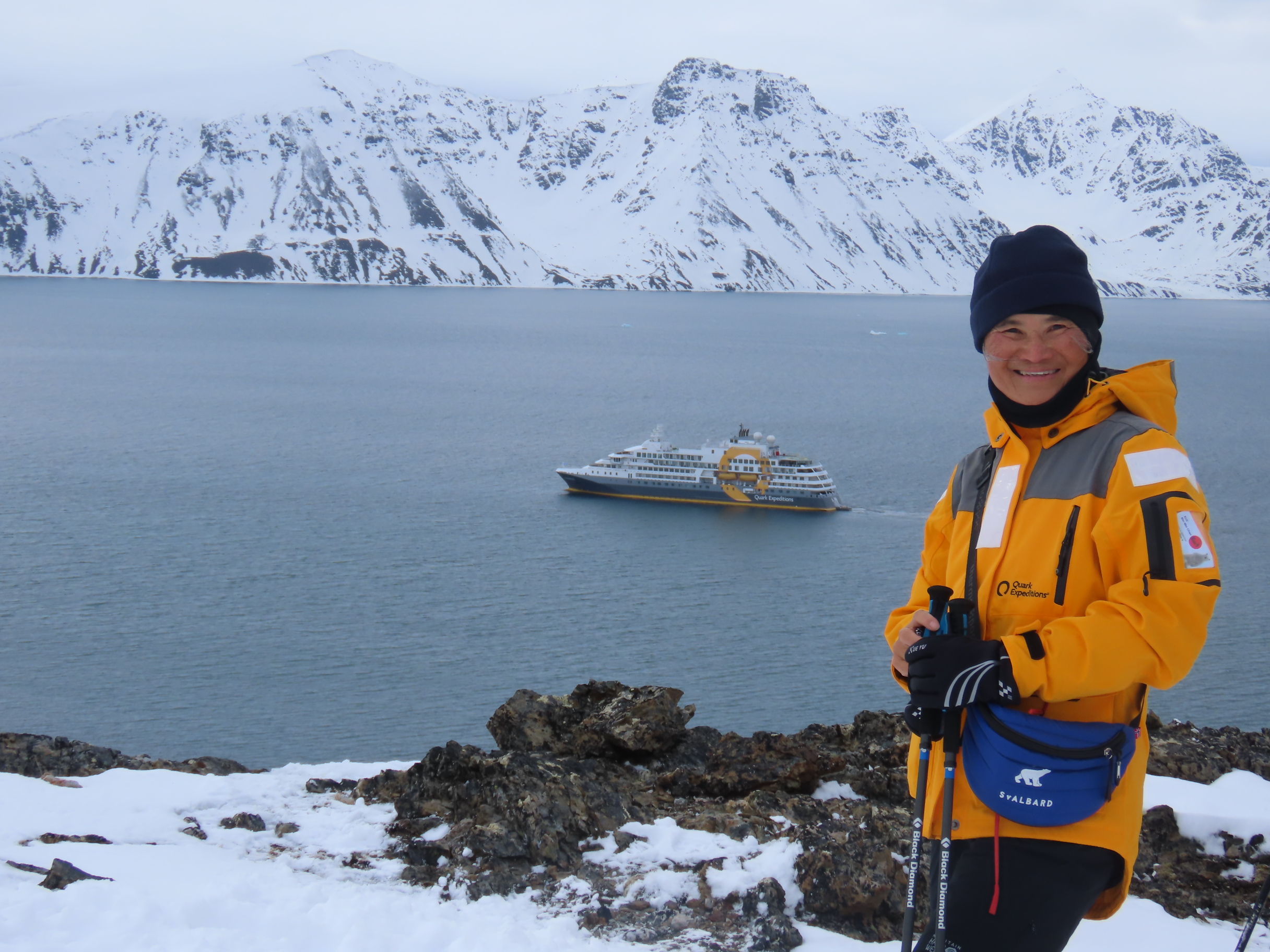
Every day, we would don our many layers, and bop in and out of Zodiac rafts for cruising or shore landings or hikes (while enviously eying the 10 people who were chosen by lottery for sea kayaking). The anticipation of discovery was exhilarating, and exhausting.
Each night, we would learn about mammals, birds, geology, history, photography and more. Fabulous expedition leader Ryan McDevitt (from St. Petersburg, Florida) would give a debrief and the plans for the next day based on weather, winds, and ice conditions.
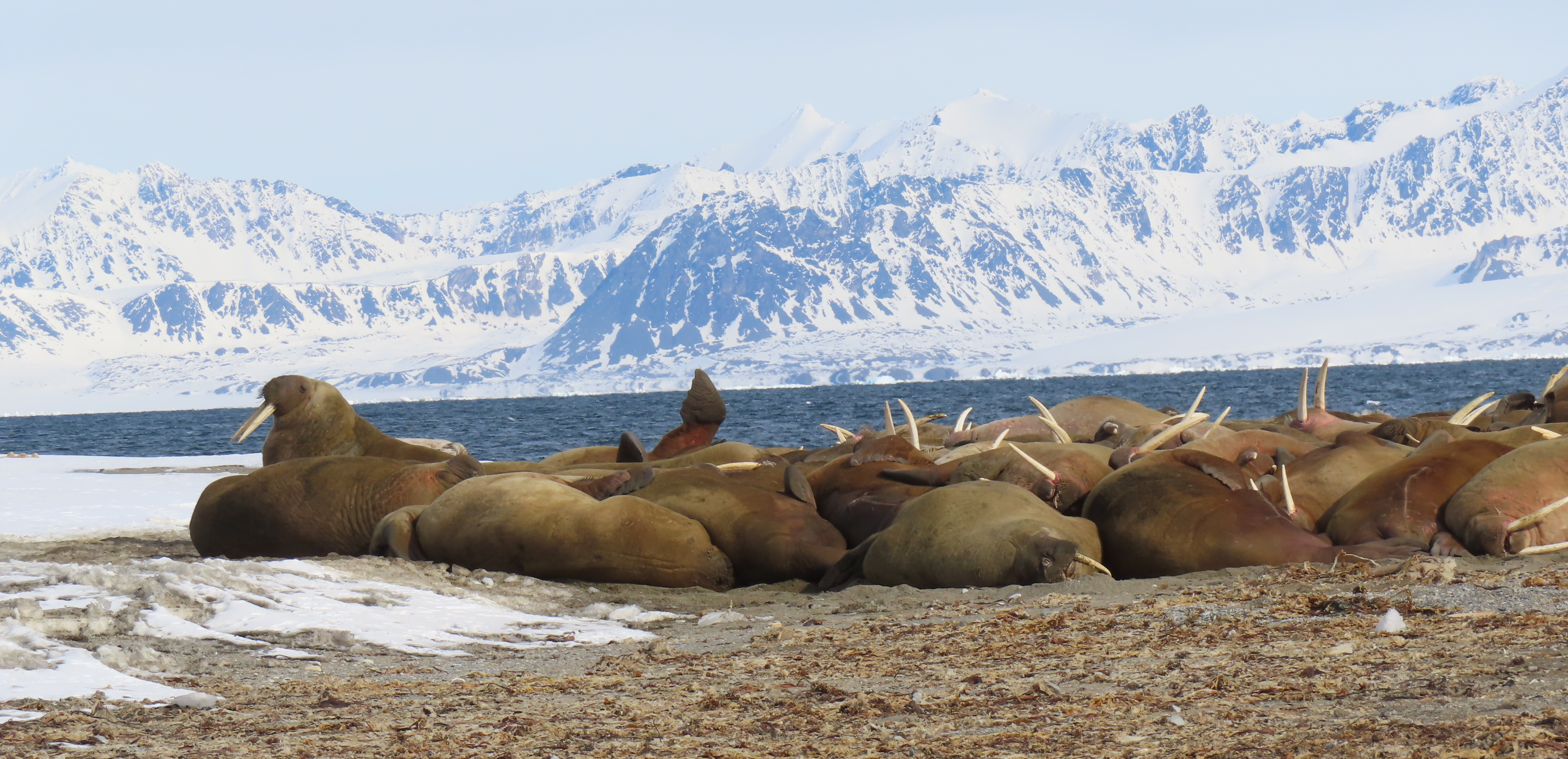
Then we would “pivot” as needed. One day we planned to visit walruses at Moffen Island, but while Ryan and Grigory were scouting in a Zodiac, a large walrus swam out and swung his tusks at them! Luckily the tusks glanced off the rubber raft. Ryan decided it was too risky, and we passed by.
Another day, we left a large guillemot bird colony at Alkefjellet early because of high winds. On our second morning, we were waiting our turn to walk on a glacier when called back to the ship: a polar bear had been sighted!
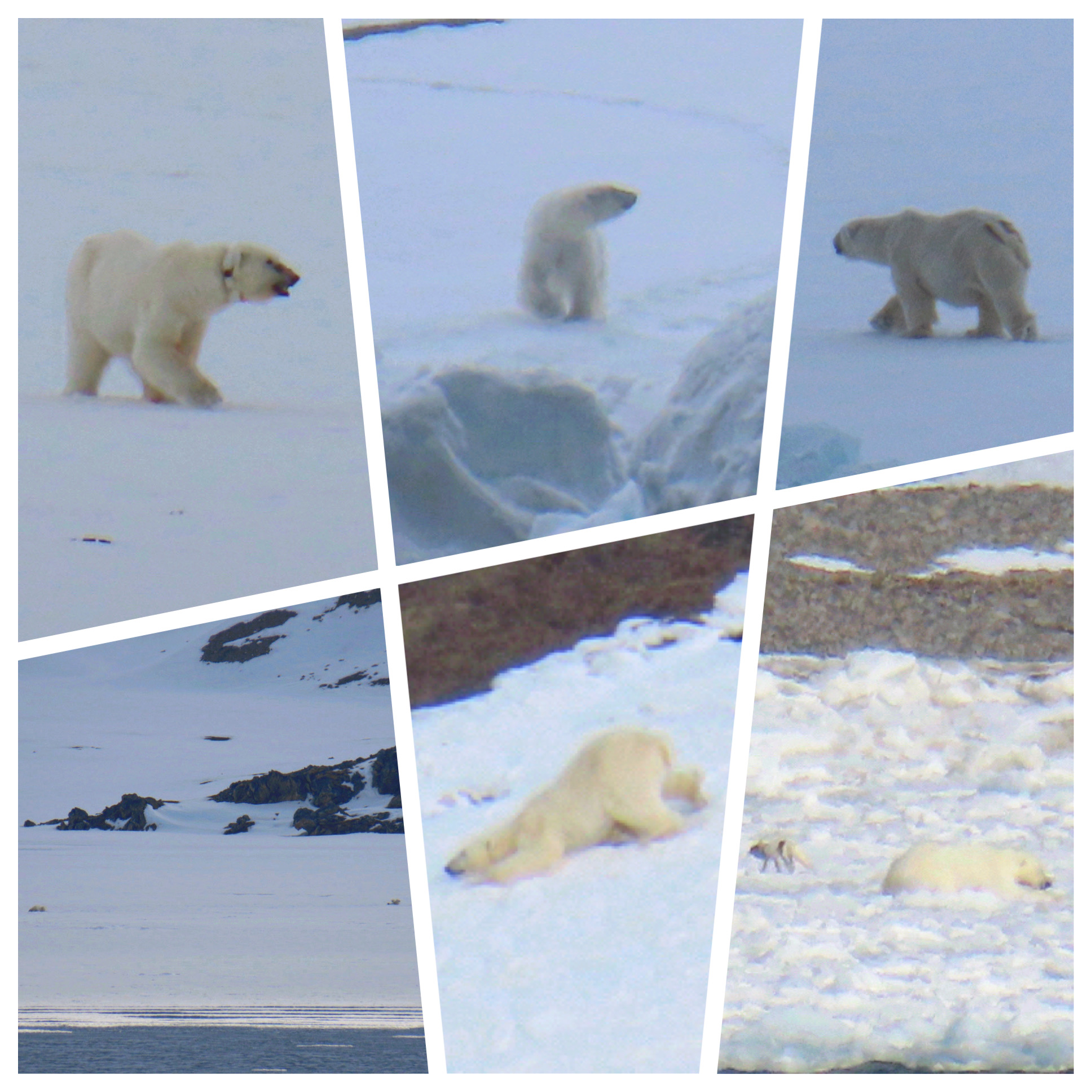
By her smaller size and monitoring collar, the staff knew it was a female. This bear had just taken down a reindeer so we got to enjoy her for about three hours as she gnawed, wandered and rolled around like a puppy. From a half mile away (ships can’t get very close to land due to regulations and shallow shoals) she appeared fuzzy and cute!
Polar bear expert Grigory said there are maybe 20,000 polar bears worldwide with 300-400 in the Svalbard archipelago and up to 3,600 from Norway through the Russian region. There hasn’t been a coordinated survey since 2004, when the count was 22,000 to 24,000.
Polar bears are struggling as ice melts more rapidly and frequently. It’s tiring for them to hunt seals on land and water instead of ice; reports of bears hunting reindeer—which provide very little blubber for the effort-only began about five years ago.
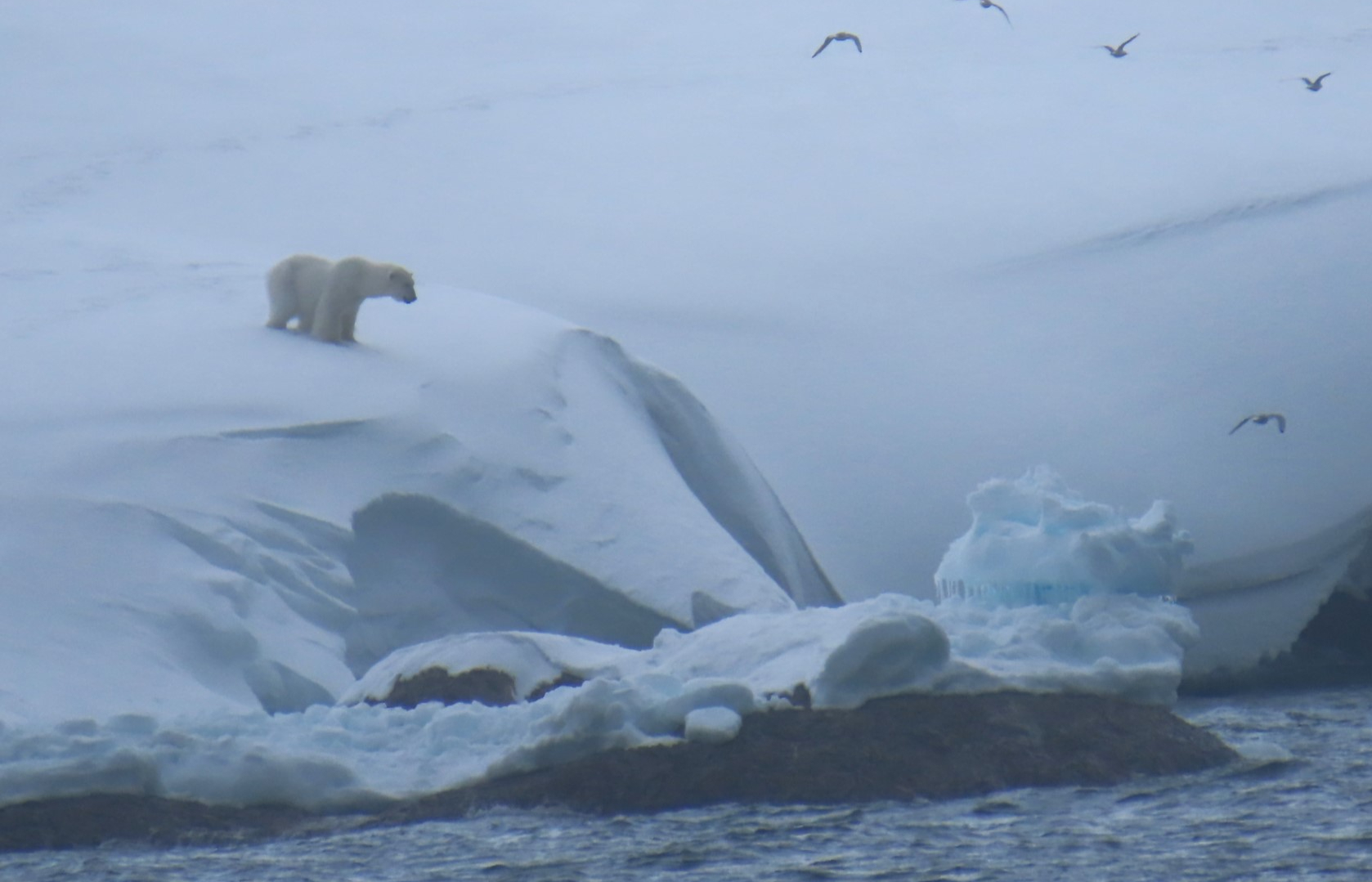
In all, we saw seven “binocular bears” from quite a distance; two were really just specks. But we got to track two for more than four hours as they waddled steadily with purpose, climbed rocks, slipped on ice crags, swam doggy style, eyed reindeer, and waited patiently at ice holes for a seal to surface, ignoring the foxes walking by.
The hope is that a polar bear will stroll on fast ice toward your ship for a close encounter. Though we parked several times awaiting such an opportunity, this never happened for us. One bear came by the ice after we had watched for hours…then chose to turn left into the distant horizon rather than right toward our ship.
We were certainly disappointed, and some guests very irate, at the lack of intimate polar bear encounters.
But we still feel so fortunate, and privileged, to have seen these majestic beasts in their natural habitat, while it’s still possible.
The details:
- Travel: We flew to Oslo, Norway, onto Tromso, then Longyearbyen.
- Weather: Usually about 25-35 degrees and sunny, with some snow, and some days of high winds 20 mph and up.
- Garb: Quark gifts you a “free” polar jacket and provides excellent knee-high rubber boots. We were glad to have invested in extra wool layers and face coverings.
- Zodiacs: These motorized rafts are used frequently for cruising or shore landings. The loading platforms are easily accessed and there are a lot of helping hands.
- Tourism changes: Starting in 2025, Norway is imposing more stringent restrictions to manage tourism, which will impact wildlife encounters.
Interested in more? Check out our top photos!
 Adventure Travel with Mei-Mei